

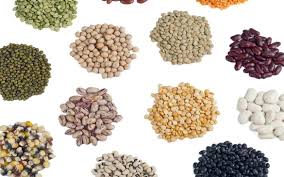
The criminalization of indigenous seeds, often protected by traditional knowledge and practices, is a growing concern in many parts of the world, including Africa. This practice involves the legal or regulatory restrictions on the cultivation, trade, or use of indigenous seeds, often in favor of genetically modified or patented varieties. The criminalization of indigenous seeds poses a significant threat to biodiversity and the livelihoods of indigenous communities.
Indigenous seeds are adapted to local ecological conditions and have often been cultivated for centuries by indigenous peoples. They are an important source of food, medicine, and cultural heritage. However, the push for globalized agriculture and the protection of intellectual property rights has led to the criminalization of indigenous seeds in many countries. This can have devastating consequences for indigenous communities, who rely on these seeds for their survival.
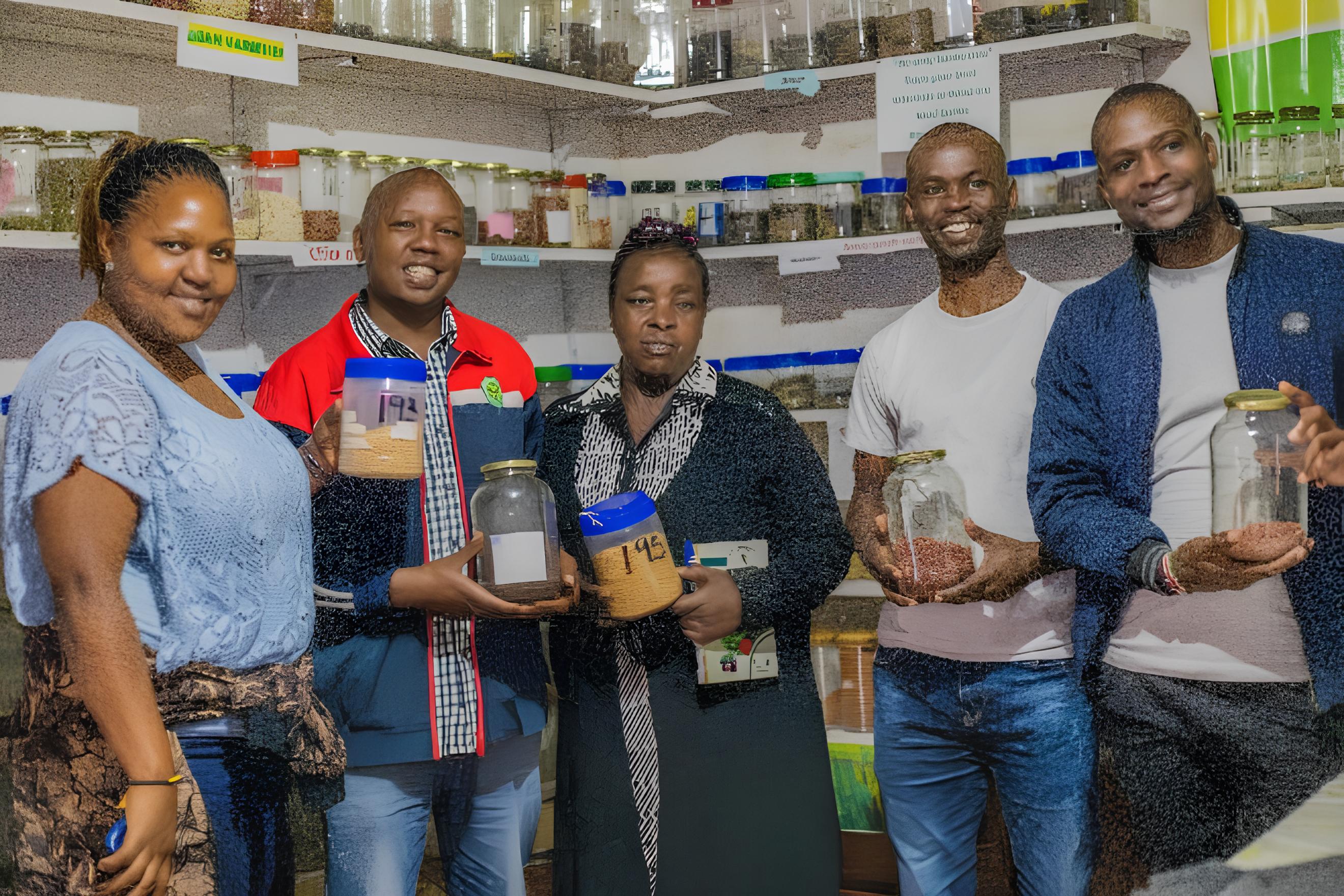
The African Biodiversity Alliance (ABA) recognizes the importance of indigenous seeds and is committed to protecting them from criminalization. The ABA works with indigenous communities to document and preserve their traditional knowledge and practices related to seed cultivation and use. This involves conducting ethnographic research, supporting community-based seed conservation initiatives, and promoting the recognition and respect of indigenous rights.
The ABA also advocates for the development of legal frameworks that protect indigenous seeds and promote their use. This includes supporting the development of community-based seed banks, promoting the recognition of indigenous intellectual property rights, and advocating for the fair and equitable sharing of the benefits arising from the use of indigenous seeds.
Moreover, the criminalization of indigenous seeds is a significant threat to biodiversity and the livelihoods of indigenous communities. The African Biodiversity Alliance offers a holistic approach to addressing this challenge by working with indigenous communities to protect their traditional knowledge and practices, and by advocating for legal frameworks that support the use of indigenous seeds. By recognizing and valuing indigenous seeds, it is possible to create a more just and sustainable future for Africa.

Leave A Comment
All fields marked with an asterisk (*) are required