

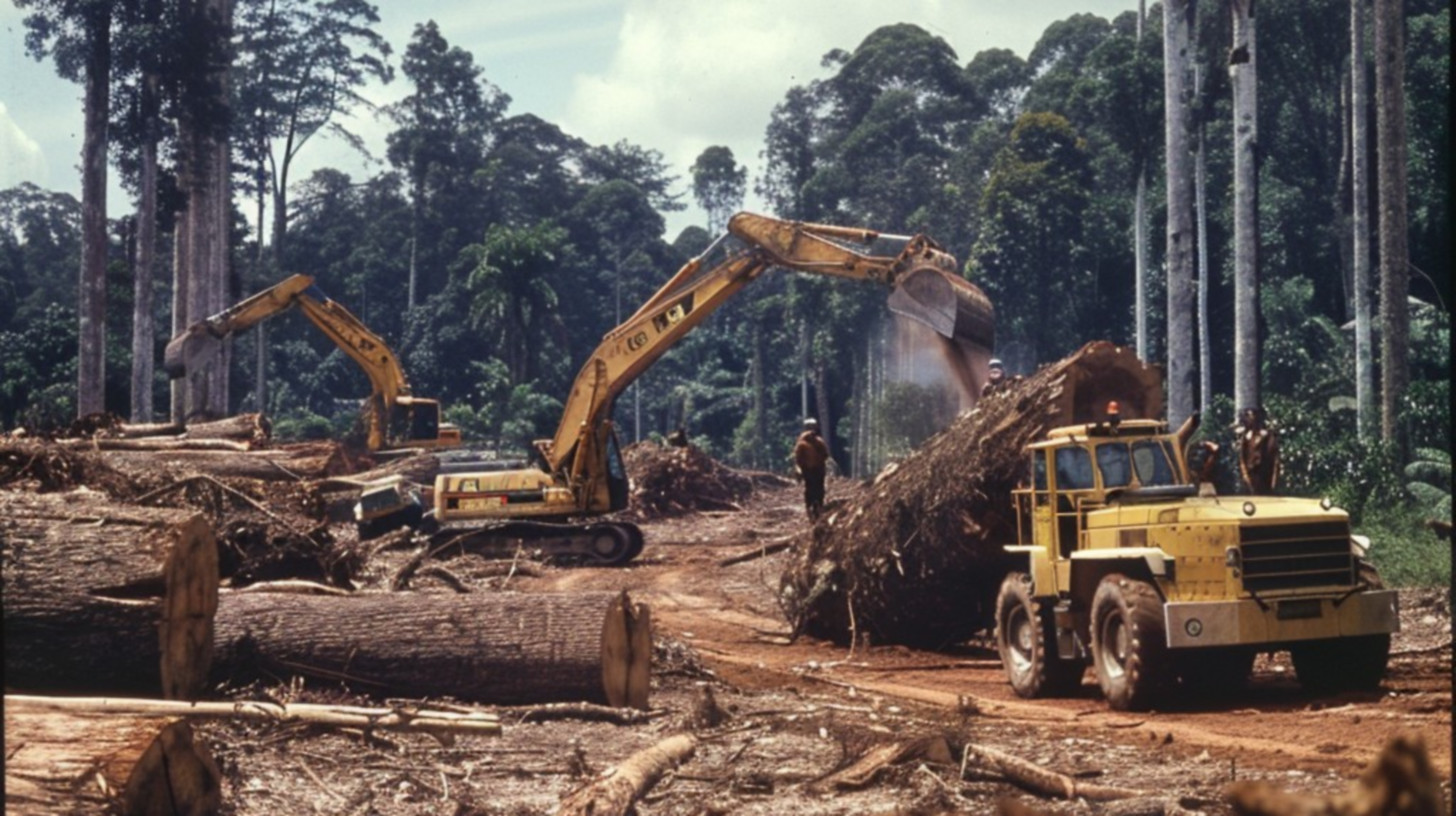
Deforestation, the clearing of forests, is a major contributor to climate change and biodiversity loss. Forests act as carbon sinks, absorbing carbon dioxide from the atmosphere and helping to regulate the global climate. The destruction of forests, particularly in tropical regions, releases stored carbon dioxide, exacerbating climate change. Additionally, deforestation leads to habitat loss, biodiversity loss, and soil erosion.
The African continent, with its vast forests, plays a crucial role in global carbon sequestration. However, deforestation is a significant problem in many parts of Africa, driven by factors such as agriculture, logging, and mining. The African Biodiversity Alliance (ABA) offers a holistic approach to addressing deforestation, focusing on forest conservation, sustainable land management, and community-based initiatives.
Forest conservation is essential for protecting carbon sinks and biodiversity. The ABA supports the establishment and management of protected areas, including national parks and forest reserves. Additionally, the ABA promotes the development of sustainable forest management practices that balance the needs of local communities with the conservation of forests. This includes supporting the development of community-based forestry initiatives, promoting the use of sustainable harvesting techniques, and reducing the demand for illegal logging.
Sustainable land management is another key component of the ABA's strategy to address deforestation. The ABA advocates for the adoption of land use practices that are compatible with forest conservation. This includes promoting agroforestry, which involves planting trees on agricultural land, and supporting the development of sustainable livelihoods that do not rely on deforestation.
Community-based initiatives are essential for addressing deforestation at the local level. The ABA works with communities to develop and implement forest conservation and sustainable land management plans. This includes providing training and capacity building, supporting community-based forestry initiatives, and promoting equitable access to forest resources.
In conclusion, deforestation is a major threat to carbon sinks and biodiversity. The African Biodiversity Alliance offers a comprehensive approach to addressing this challenge by focusing on forest conservation, sustainable land management, and community-based initiatives. By implementing these strategies, it is possible to protect forests, mitigate climate change, and ensure a sustainable future for Africa.

Leave A Comment
All fields marked with an asterisk (*) are required