

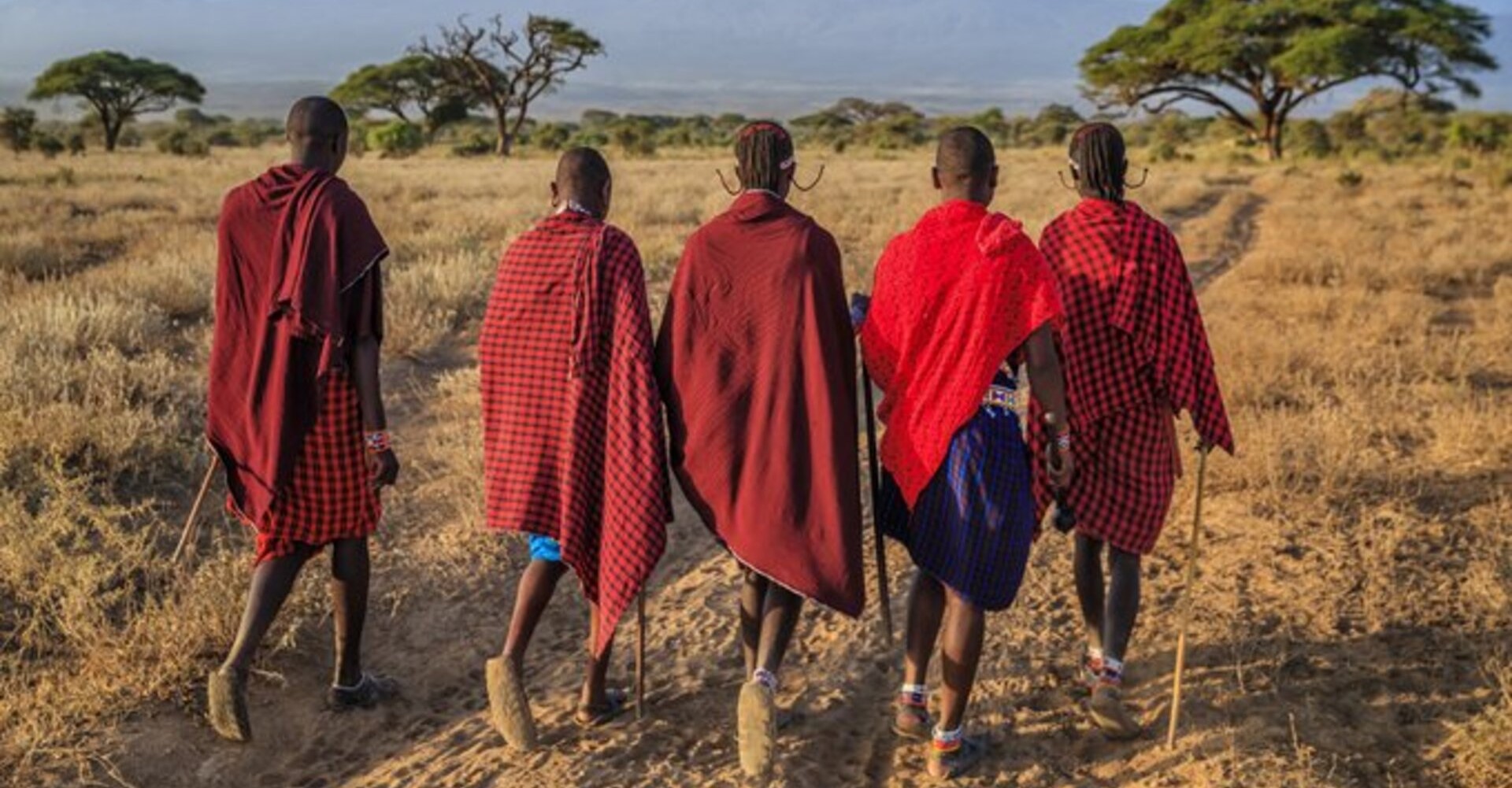
The erosion of indigenous culture and local knowledge is a growing concern in many parts of the world, including Africa. Indigenous peoples have developed deep connections to their environments and possess valuable knowledge about biodiversity and sustainable resource management. However, the pressures of globalization, modernization, and cultural assimilation are leading to the loss of this cultural heritage.
The erosion of indigenous culture and local knowledge has significant implications for biodiversity. Indigenous peoples have traditionally managed their lands and resources in ways that promote biodiversity and ecosystem health. Their knowledge of plants, animals, and ecosystems is often based on centuries of observation and experience. When this knowledge is lost, it can have negative consequences for biodiversity conservation.
The African Biodiversity Alliance (ABA) recognizes the importance of indigenous culture and local knowledge and is committed to protecting and promoting it. The ABA works with indigenous communities to document and preserve their cultural heritage, including traditional knowledge, languages, and practices. This involves conducting ethnographic research, supporting community-based conservation initiatives, and promoting the recognition and respect of indigenous rights.
The ABA also advocates for the integration of indigenous knowledge into biodiversity conservation and sustainable development planning. By recognizing and valuing indigenous knowledge, it is possible to develop more effective and culturally appropriate conservation strategies. This includes involving indigenous communities in decision-making processes, supporting the development of indigenous-led conservation initiatives, and promoting the use of traditional ecological knowledge in resource management.
In conclusion, the erosion of indigenous culture and local knowledge is a significant threat to biodiversity. The African Biodiversity Alliance offers a holistic approach to addressing this challenge by working with indigenous communities to preserve their cultural heritage and integrate their knowledge into biodiversity conservation and sustainable development planning. By recognizing and valuing indigenous culture and local knowledge, it is possible to create a more just and sustainable future for Africa.
Leave A Comment
All fields marked with an asterisk (*) are required